


Medical cannabis has continued to gain recognition in 2025 as more countries expand their legal frameworks, more patients explore plant-based therapies, and more doctors feel confident prescribing it. Once considered a controversial topic, medical cannabis is now widely viewed as a legitimate treatment option for chronic pain, anxiety, insomnia, neurological conditions, and dozens of other health challenges.
But for first-time patients, the process of accessing medical cannabis can feel overwhelming. What are the rules? Who qualifies? How do you get a prescription? And what should you expect once treatment begins?
This guide breaks everything down step by step — in clear, trustworthy, and easy-to-understand language — so you can navigate the process with confidence.
What Is Medical Cannabis?
Medical cannabis refers to cannabis-based products prescribed by a licensed healthcare professional to treat specific medical conditions. These products are not the same as recreational cannabis.
Medical-grade cannabis is:
- Regulated
- Laboratory-tested
- Standardised for potency
- Designed for therapeutic use
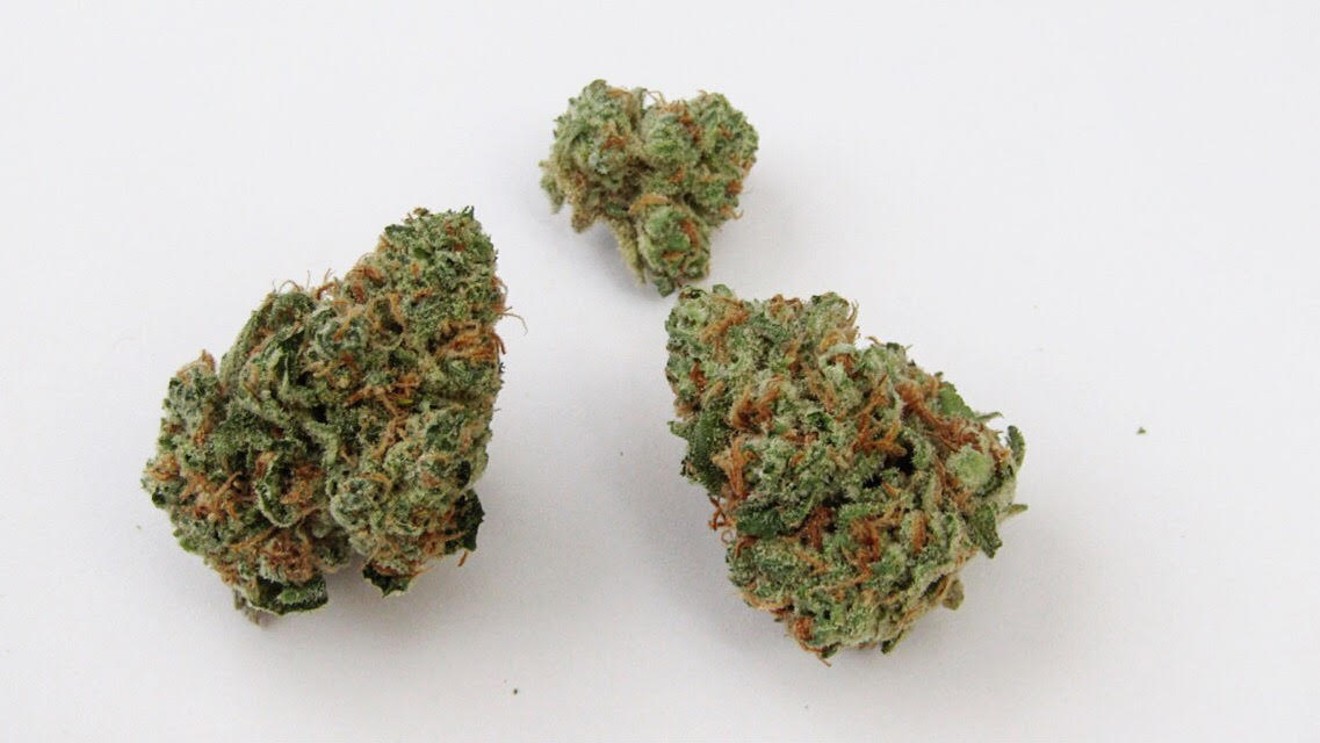
Products may include oils, capsules, dried flower, vape cartridges, topical creams, patches, and more. Each option may work differently depending on the patient’s condition and the doctor’s treatment goals.
How Medical Cannabis Works Inside the Body
The human body contains a biological network called the endocannabinoid system (ECS). This system regulates sleep, mood, memory, appetite, immune function, and pain signaling.
Medical cannabis interacts with the ECS through its two key active compounds:
- THC (tetrahydrocannabinol): Helps with pain relief, appetite stimulation, nausea reduction, muscle relaxation, and sleep.
- CBD (cannabidiol): Supports anxiety relief, inflammation reduction, mood stabilisation, and seizure control — without causing intoxication.
In 2025, researchers estimate that more than 85% of patients prescribed medical cannabis report moderate to significant improvement in symptoms when therapy is tailored correctly. While cannabis isn’t a cure-all, it is increasingly recognised as a valuable complementary treatment.
Benefits of Medical Cannabis Supported by Science
Medical cannabis has been studied for decades, and modern clinical research continues to expand. Some of the most supported therapeutic benefits include:
1. Chronic Pain Relief
Conditions like arthritis, neuropathy, migraines, fibromyalgia, and back injuries often respond well to cannabis. A recent 2024 medical review found that patients reported up to a 30–50% reduction in chronic pain scores when using cannabis alongside traditional therapies.
2. Anxiety and Stress Reduction
CBD-rich products are known for their calming effects. Many first-time patients use medical cannabis to reduce tension, improve sleep, and manage daily stress.
3. Improved Sleep Quality
THC can help individuals fall asleep faster and stay asleep longer, especially those with insomnia or pain-related sleep disturbances.
4. Appetite Support
Patients undergoing chemotherapy or dealing with long-term illness often rely on cannabis to stimulate appetite and reduce nausea.
5. Muscle Spasms and Neurological Conditions
Multiple sclerosis, epilepsy, and Parkinson’s disease patients have shown measurable improvement with controlled medical cannabis use.
Risks, Side Effects, and Considerations
Even though medical cannabis is considered safer than many prescription medications, it’s not risk-free. Common side effects include:
- Dry mouth
- Drowsiness
- Dizziness
- Reduced short-term memory
- Increased appetite
- Mild increases in heart rate
More sensitive patients may experience anxiety or paranoia if given overly strong THC doses. That’s why personalised medical guidance is crucial.
Medical cannabis should also be used with caution in individuals with:
- Heart disease
- Mental health disorders
- Pregnancy
- A history of addiction
A healthcare provider will evaluate risks before prescribing.
Who Qualifies for Medical Cannabis in 2025?
Qualifications vary by country, but many regions have expanded their medical cannabis programs due to strong safety data and public demand.
Common qualifying conditions include:
- Chronic pain
- Cancer-related symptoms
- Anxiety and depression
- PTSD
- Neurological disorders
- Epilepsy
- Crohn’s disease
- Insomnia
- Migraines
- Autoimmune disorders
Most medical cannabis laws require evidence of a genuine medical need and proof that standard treatments have provided limited benefit.
Step-by-Step Medical Evaluation and Approval Process
Here’s a simplified breakdown of the legal access pathway for first-time patients:
Step 1: Book an Appointment with an Approved Doctor
Your doctor must be licensed to prescribe medical cannabis or refer you to a specialist familiar with cannabis-based treatments.
Step 2: Discuss Your Symptoms and Treatment History
The doctor will review:
- Medical records
- Prior medications
- Your symptom history
- Any psychological or addiction risks
Transparency is essential.
Step 3: Determine Eligibility
If the doctor believes cannabis may help and sees no major risks, they will confirm that you qualify under the law.
Step 4: Choose a Treatment Plan
The doctor will guide you on:
- THC/CBD ratios
- Dosage
- Suitable product types
- Expected treatment outcomes
Step 5: Receive a Prescription or Approval Certificate
This document allows you to legally purchase medical cannabis from authorised pharmacies or licensed dispensaries.
Step 6: Fill Your Prescription
A pharmacist will help you choose the right product and explain usage instructions.
Step 7: Follow-Up Appointments
Medical cannabis therapy is monitored closely to adjust dosage and ensure safe, effective treatment.
Legal Considerations (General, Not Country-Specific)
While laws vary, most countries follow similar legal principles:
- Medical cannabis must be prescribed by an accredited healthcare professional.
- Products must be purchased through authorised channels.
- Driving under the influence is illegal.
- Possession limits apply.
- Exporting or transporting cannabis across borders is prohibited.
- Recreational cannabis and medical cannabis have different legal standards.
Patients should always follow local rules to avoid legal issues.
Methods of Consumption and Available Products
Different health conditions may require different types of cannabis products. The most common options include:
1. Oils and Tinctures
Fast-acting and easy to dose — ideal for beginners.
2. Capsules
Consistent, long-lasting relief without the taste or smell.
3. Vaporised Flower
Provides rapid symptom relief; often used for pain or anxiety spikes.
4. Edibles
Longer-lasting effects but slower onset time.
5. Topicals
Used for localised pain, inflammation, and skin issues.
6. Patches
Used for slow and steady absorption throughout the day.
Each method has benefits depending on the patient’s needs and lifestyle.
When Medical Cannabis May NOT Be Suitable
Medical cannabis may not be appropriate for:
- Pregnant or breastfeeding individuals
- Patients with unstable mental health conditions
- Those with a history of cannabis dependency
- People taking medications that interact with cannabis
- Individuals with uncontrolled heart or lung disease
In these cases, doctors may suggest alternative therapies.
Conclusion: A Safe, Legal Pathway to Relief
Accessing medical cannabis legally in 2025 has become far more streamlined and patient-friendly than ever before. With a proper medical evaluation, doctor guidance, and safe purchasing channels, patients can explore cannabis therapy with confidence.
For many, medical cannabis offers meaningful relief when other treatments fall short — but the key is using it responsibly, legally, and with professional support.
FAQS
How long does it take to get approved for medical cannabis?
The approval timeline varies by country, but many patients receive approval within a few days to a few weeks. The speed depends on your doctor’s assessment, medical history, and how quickly your documents are processed. Once approved, you can legally purchase medical cannabis from authorised pharmacies or dispensaries.
Do I need previous treatment records to qualify for medical cannabis?
Yes. Doctors usually require evidence that you’ve tried standard treatments before turning to medical cannabis. This helps ensure that cannabis is an appropriate option and reduces unnecessary risks. Medical records, prescriptions, and diagnostic reports greatly support your eligibility and speed up the assessment process.
Can I travel with medical cannabis if I have a prescription?
Traveling domestically may be allowed depending on local laws, but international travel is almost always prohibited. Even with a valid prescription, crossing borders with cannabis can lead to legal issues. Most countries require patients to leave cannabis products at home and obtain medical care in their destination if needed.
Are there age restrictions for medical cannabis in 2025?
Many countries allow medical cannabis only for adults, typically 18 or older. However, some regions permit minors to access cannabis medicines for severe conditions like epilepsy — but only under strict specialist supervision. Age rules vary widely, so it’s important to check your local regulations before applying.

